Metaphor: ReFantazio is Painfully CisHet and We Need to Talk About It
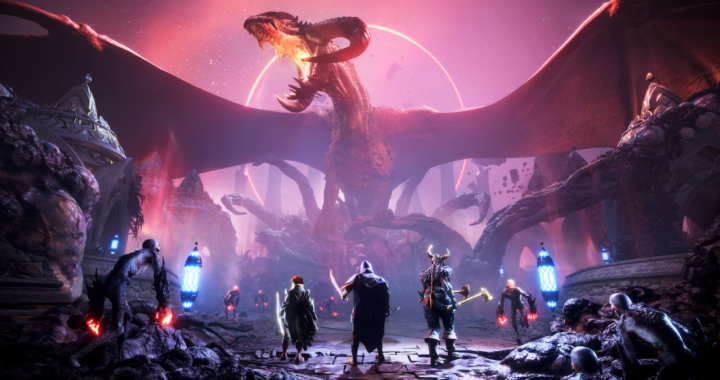
Far and wide, Metaphor: ReFantazio is celebrated as the latest, and potentially greatest, role-playing game to come out of ATLUS, a studio famed for creating both mechanically pristine and thematically compelling titles. This acclaim is well earned as Metaphor trims the fat that weighed down the Shin Megami Tensei and Persona games that this title iterates upon. Metaphor has a much tighter narrative and moves at a breakneck pace compared to titles like Persona 4 Golden and Persona 5 Royal, which can take well over 100 hours to complete. Furthermore, Metaphor manages to rise to our current global political moment and tells a cogent story that argues that those in power should not only unite their people, but inspire them to imagine a better world for all those in it.
However, after my election anxiety had cleared enough for me to play a game about a burgeoning democratic process, a thought entered my mind that I’ve been unable to shake;
“This is a really straight video game and that’s such a cop out.”
For greater context, many of ATLUS’s RPGs have featured queer subtext, themes, and iconography that have drawn countless gaymers to their titles for decades; while those same titles have also been criticized for being queerphobic, misogynistic, and having a somewhat right-leaning political bent. There are plenty of examples of ATLUS expressing ideas harmful to marginalized people in their games, with titles like Persona 3, 4, and Catherine framing trans characters as a threat, confused, or the butt of a joke. Similarly, characters perceived as gay are targets of ridicule in Persona 4, and predators in Persona 5. However, ATLUS also put out a game featuring a gay romance in 1999 with Persona 2: Innocent Sin. ATLUS’ penchant for making games that cast a critical eye on society while using religious imagery has drawn in queer gamers who grew up in Christian households since at least the release of 2004’s Shin Megami Tensei III: Nocturne. There’s also just a lot of lovable camp in ATLUS games, like Catherine being a supernatural horror fueled by a dirtbag guy’s indecision over leaving his girlfriend after cheating on her. While they rarely explicitly focus on queer characters or issues, just about all of ATLUS major titles have an element of queerness to them that has endeared them to queer games.

While Metaphor was undoubtedly one of the most popular and discussed RPGs of 2024, this lack of queer identity is already limiting its cultural impact and long-tail popularity. The cast of Persona 4 endures in the video game fan community specifically because its characters grapple with issues around identity and how society misshapes their self-image; which are themes that queer people are intimately familiar with. While Persona 5’s lasting impact likely has more to do with ATLUS continually releasing spin-off games and tie-in media, the queer undertones in the rivalry between the player character and Goro Akechi have led to a wellspring of of homoerotic fan-fiction and fanart that will endure long after the game is out of the limelight.
ATLUS’ flagship games live in the queer milieu and that’s why it’s so strange and disappointing that Metaphor: ReFantazio doesn’t engage with these themes whatsoever, especially considering the game’s social politics. Metaphor focuses on a troubled nation in the midst of political transition. The king has died and, through the use of a magical macguffin, the citizenry has the opportunity to choose their next leader through a democratic election. As the kingdom is socially and economically divided across various fantasy races, the leader of the dominant religion in the game and an authoritarian/libertarian military prodigy quickly become the front runners in this election. With this backdrop, the player takes the role of a young person from the most marginalized of these fantasy races and goes on to amass a coalition of like minded people from every other race and convinces the populace to believe in a more equitable and inclusive future for themselves.
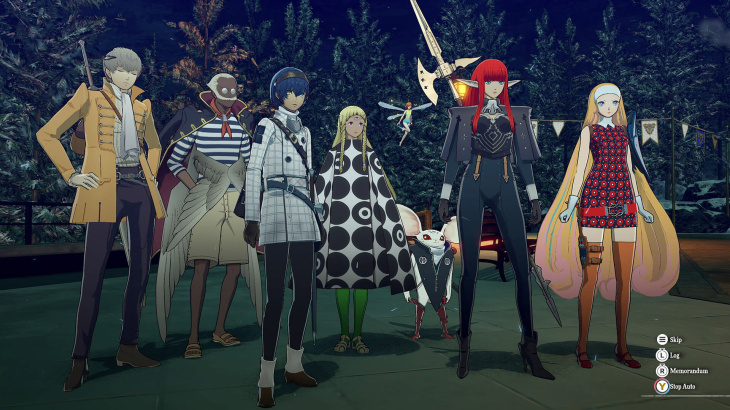
To ATLUS’ credit, Metaphor does a phenomenal job of exploring how tribalistic mentalities and a lack of class consciousness can be exploited by those in power to suppress the masses and protect their own status. The game also makes clear that it’s the role of a leader to not only be aware of their electorate’s needs, but inspire them to imagine a better life for themselves and their community. Especially in an industry landscape where a growing number of game development studios are downplaying the influence of real world politics on their works under the belief that neutrality will benefit them financially, Metaphor’s overt commentary on real world political attitudes feels like a breath of fresh air.
However, this air has a different quality to it than what longtime ATLUS fans are used to breathing in. While this game lacks the romance options that inspired loads of discourse, fan fiction, and speculation over potential same-sex romances in each Persona release; there is an implied romance with Eupha, a naive — and virginal — priestess that joins the player’s party. The shift to a more typical fantasy setting where enemies are largely generic fantasy RPG creatures like goblins and dragons also makes the game feel safer and less taboo to me, a lapsed Catholic who once took that shit seriously enough that my folks thought I’d become a priest. While some characters gesture at ideas that overlap with the queer experience, like Heismay being an outcast in his hometown or Maria learning to accept the love of her found family, both of these storylines heavily focus on heteronormative family structures.
Characters in Metaphor are also largely defined by the circumstances they inherent, like their class or racial circumstances and the lack of any kind of queer identity in Metaphor betrays a misunderstanding of the real world political dynamics that inform the game. Bad actors in positions of power don’t just stoke tensions between distinct groups, they actively invent in-group, out-group mentalities to avoid consequences for the harm they’re causing. Across the world, people in positions of power are trying to legislate and adjudicate trans people out of existence, and in the process scapegoat them into being responsible for the societal frustrations that should be attributed to those in power; which comes on the heels of failed campaigns of a similar nature against the broader LGBTQIA+ spectrum. These crusades against trans and queer people are entirely manufactured; as folks with non-cishet identities have appeared in all parts of the world throughout all of history, there’s no historical conflict or difference in culture that can be used to exacerbate tensions against this group.
It’s honestly immersion breaking that there aren’t any overtly queer characters or themes in Metaphor, because that identity and coalition is so commonplace in the real world activism that the game grounds itself in. Queerness has historically been ascribed to racially marginalized groups as a means to other them, as noted in Tân Hoàng Nguyen’s A View from the Bottom, which explores how Asian men have been repeatedly ascribed feminine and asexual characteristics in Western media. Queerness and racial marginalization have also regularly overlapped in history, with the person who coined the phrase “drag queen” being former slave and gay resistance leader William Dorsey Swann. There doesn’t need to be any kind of justification for bigotry for those in power to use it to divide people, and Metaphor’s focus on racial divisions with a fictional history that justifies some of that animosity obscures how senseless and artificial these supposed conflicts are.
If I’m being charitable to ATLUS, the lack of queer folks in Metaphor: ReFantazio could be interpreted as the company listening to their audience’s criticisms of their handling of queer characters. After all, if ATLUS can’t write queer characters authoritatively and respectfully, then discluding queer characters and themes from their works is the progressive thing to do, right? The answer to that question is technically “yes, ” but only if you’re okay with living in compromise. If ATLUS actually wanted to do better by the sizable queer section of its audience, it would staff up with writers who share that identity and can include better versions of these characters and themes in their games.

I really respect Metaphor’s anti-authoritian politics and how open the title is with its real-world influences; and I’m very curious to see what director Katsura Hashino and the rest of the Studio Zero development team create next. However, Metaphor doesn’t have the queer energy and attitude that’s made many of ATLUS’ games so appealing to so many. I would much rather see the company occasionally stumble while trying to improve their queer representation than throw that element of their work out entirely.