Image via Koei Tecmo America
Why Wouldn’t Dynasty Warriors Origins be Gay?
What is Dynasty Warriors? The popular conception in the West is an over-the-top, silly, action game where you mow down hordes of hapless enemies. “That one button masher,” which went on to be spinoff fodder for a bunch of Nintendo games, for some reason. Stupid, mindless fun. Little in the way of complex characters and story.
This brings us to the latest release, a reboot, Dynasty Warriors Origins. It’s gay. Unbelievably gay. Every officer you meet is instantly smitten by the player character, a man, with “bonding events” only making their romantic desires even less questionable. It goes far beyond winking subtext and as close to PG cut-to-black sex scenes as you can get, with a majority reaction of utter confusion from newcomers and life-long fans alike.
And here’s the thing: as a life-long fan of this series, it did not surprise me in the slightest. Obviously, this was where the series was headed.
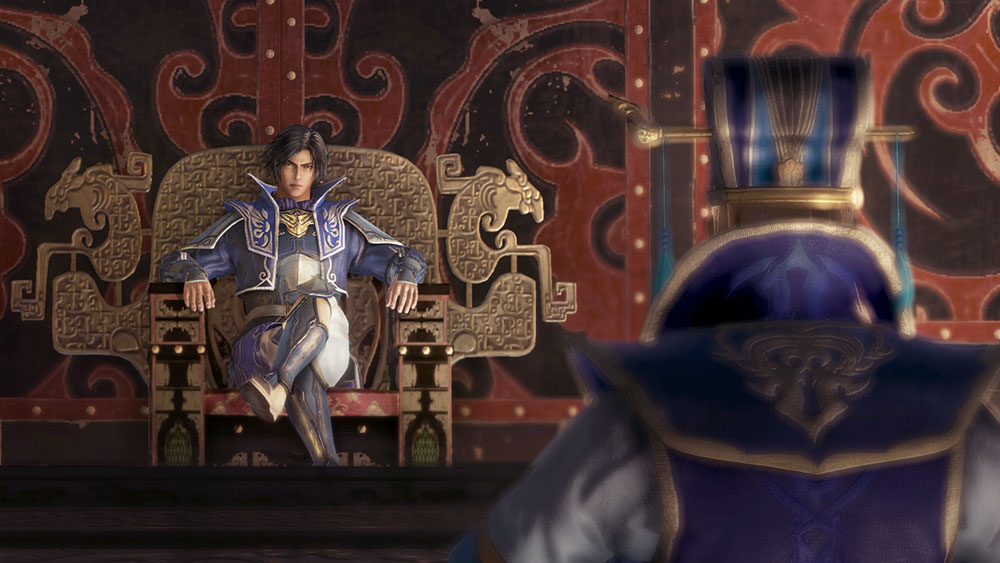
I went through my first run, with Guo Jia inviting me to a private abode as the screen cuts to black, Xun You getting tipsy and “sleeping” next to me, and Guan Yu saying he would remember every detail of my face forever, completely unphased. What surprised me more was that other people were surprised by it. I was most surprised by Sho Tomohiko, producer of the game, admitting this was mostly an accident:
For the BL [Boy’s Love] vibes, it wasn’t intentional […] When the voiceline recording sessions were done and I played the voiced version, I went ‘Huh?’… It went a fair bit beyond what I had in my mind.
Dynasty Warriors is a series I care a little too much about. I say too much, because in many ways, it isn’t very good. Whenever I mention to other people what my favorite game is, I have to footnote it with several yes, I know-s. Me, the guy who’s most famous for making transgressive interactive fiction, who’s well known for taking every minute to disparage AAA development in any capacity, favorite game series is the ludic equivalent of fast food.
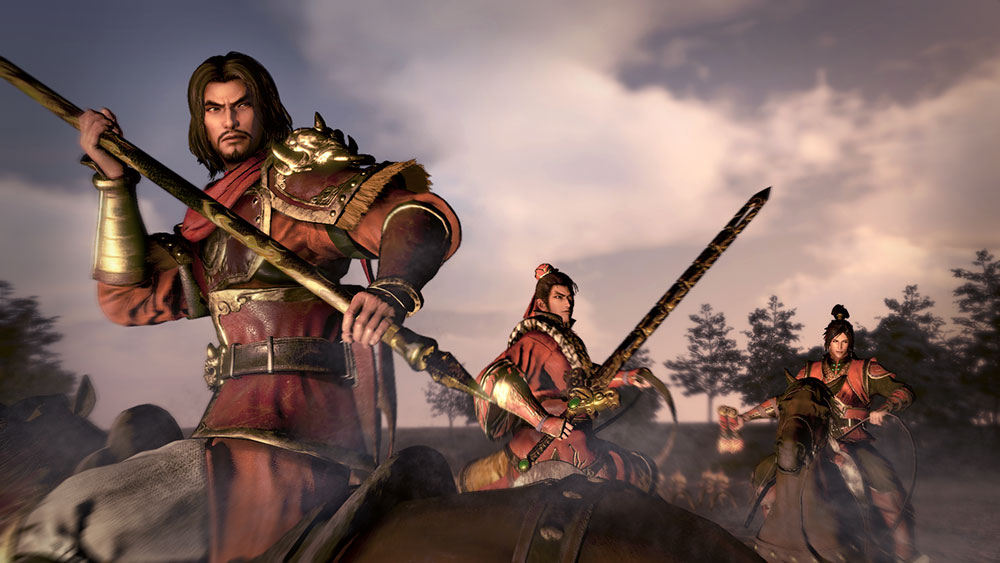
It also means my perception of what the average person knows about Dynasty Warriors is warped in a particularly xkcd 2501 way. Of course, everyone knows at least twelve plot points from the original novel, and the paratextual context that’s been surrounding the series’ development for over two decades, of course. This is what prompted my confusion at everyone’s shock that Lü Bu, “all of a sudden” wants to claim the main character for himself, and reminded me where I actually am.
I’d like to take a moment to actually make use of my hyper-specific knowledge of this one game series, and show why this progression is no surprise at all. Looking at Dynasty Warriors transforming half of itself into a gay quasi-dating sim, how did we get here? And perhaps more importantly: why did it work?
Origins as Reboot
First, let’s dissect why Dynasty Warriors “needed” a reboot in the first place. This need, as was the need in Dynasty Warriors 6 and 9, is best described as an identity crisis. In the PS2 era, Dynasty Warriors sold itself on one main selling point, of being one of the only games around where you could throw yourself as a super-powered Chinese folklore hero through thousands of armed grunts. In the early 2000s, the technical marvel of having a thousand enemies per level was enough to be a marketing point. And, you get that all themed around famous moments from the classic novel Romance of the Three Kingdoms. What’s not to love?
It’s then been argued by many that every Dynasty Warriors game is the same, and, really, it is. The difference between this and that one are how many characters you can play as, which battles are represented, and the slightest differences in how the story plays out. But we all know how it ends, and we all know the exact outcome of every battle.
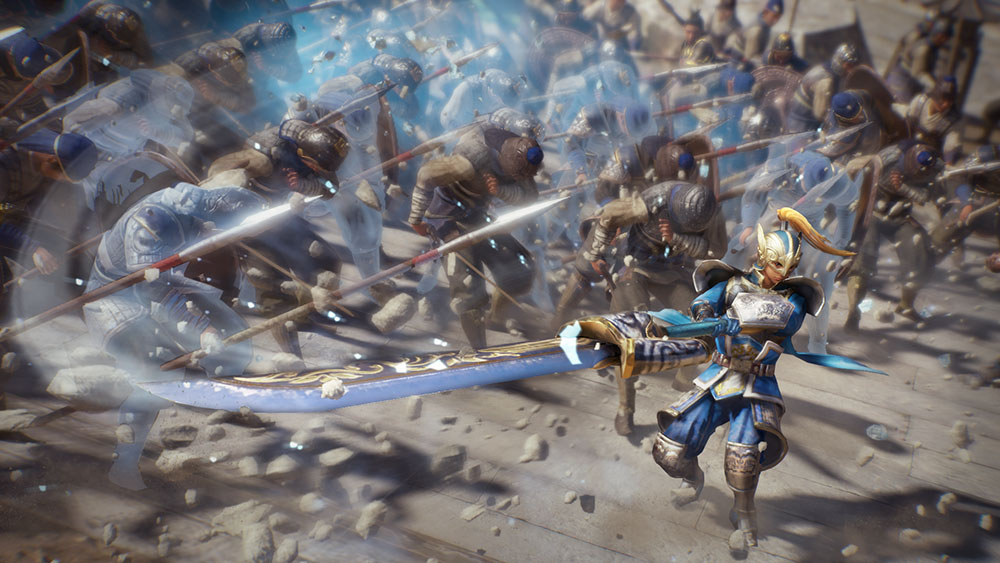
Dynasty Warriors 6, marking the transition from PS2 to 3, tries to be a fresh take for a new generation of consoles. Its once impressive enemy count is suddenly unremarkable, along with a desperate appeal to score higher than a 5/10 in magazines. It tries to reinvent its combat and characters to pull in a new audience, alienating its core fanbase, ultimately appealing to no-one. It was so poorly received, in fact, that the release of 7 was met with a full apology tour and an almost complete reversion to the gameplay style of the PS2 era.
This is why Origins‘ reveal put fans on edge before a single second of gameplay. The latest reboot attempt, 9, tried to catch the crest of the open world trend years after saturation set in; buggy, laggy, and appealing to no-one again. What would yet another reboot look like? They’re going after the combat. We’re going from over forty unique weapons to nine. It’s just going to be another 6, isn’t it?
The demo was released to equal anxiety and anticipation, focusing on one of the most beloved levels in the series, and fans found… shockingly good performance without slowdowns. Weapons that forced different styles of gameplay. The grunts were fighting back. No more one-step tricks for taking down every officer. Lü Bu was the closest the series has been to a souls-like, chipping single digits off a boss’ healthbar and parrying attacks abound.
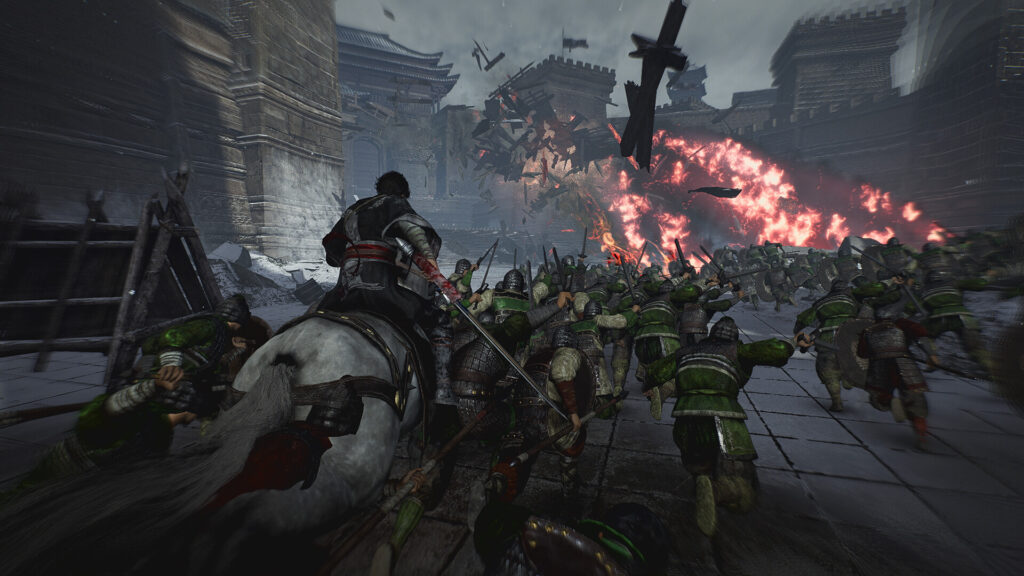
It was as far as it could be from the previous games. And they liked it. When the full release came, they loved it. Now taking from current game design trends, Dynasty Warriors is no longer the mindless one-button masher, and instead presents a well-trodden combat system pushed a step to the left, pulling in newcomers with a retelling of the Three Kingdoms period slapped on top. They, too, loved it.
With the action finally giving Dynasty Warriors the external recognition it craved, and keeping the fanbase still clinging on to the PS2 era happy, how does that square up against the baffled reactions to the other half?
Origins as Bait
The core of the Japanese Dynasty Warriors fanbase are fujoshis; women, predominantly heterosexual, who are fans of homosexual male relationships. I say this with no statistical evidence, and instead my personal findings of trawling through Pixiv tags and seeing an impressive amount of gay porn. But really, when you think of the series, how could it not be fujoshi bait? It certainly wasn’t the intention of the original devs, but we have a majority-male cast, all that are either beautiful athletes with perfect skin or grizzled veterans with thighs wider than their heads. Women are there, and I can’t remember a single moment where any of the several married couples express that they love each other. Instead the men speak constantly of pride and honor, of how they would die to protect the innocent, becoming enemies to something with other men they realize they could never live without.
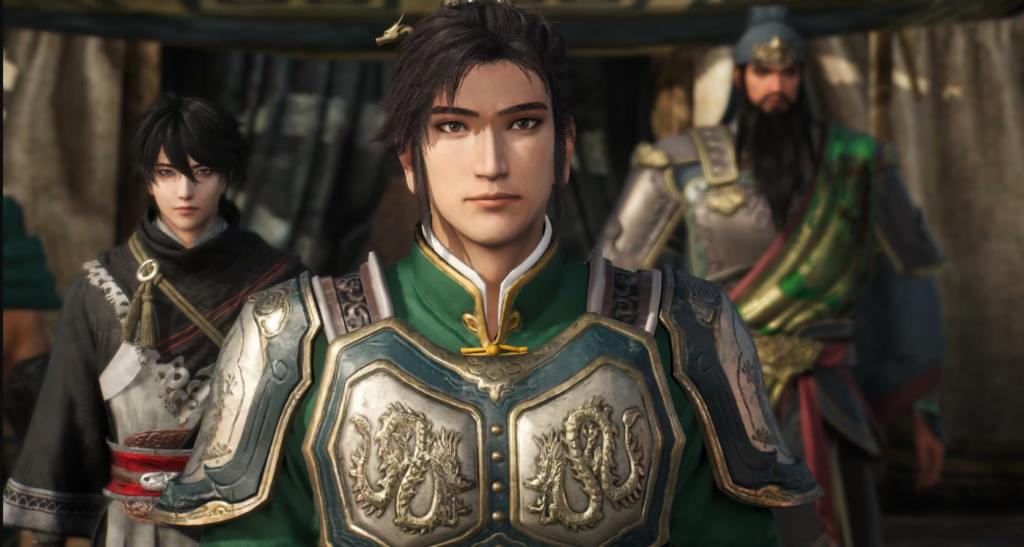
This is the prime desire of the fujoshi. To see men, those they find attractive, love someone else as a human equal. To insert yourself into an MLM dynamic as a woman is to love without complicating it with gendered baggage. It’s vulnerability without risk.
Origins makes bold moves in its story, best shown in the new protagonist, Ziluan. In a very different direction to previous titles, where you could select a range of Three Kingdoms figures to play as, Origins reduces you down to only being able to play as a pre-made original character with an entirely unique backstory. The response to this was, bluntly, negative. Not game-ruiningly negative, but negative enough that it was often pointed to as the worst part of the game. Criticisms were made against Ziluan’s lack of any personality, how little he makes a mark on the plotline, and how completely out of pocket it is for every character to find something of interest in him.
I also need to stress: they’re correct. Ziluan as a character has the depth of a piece of paper. His background as a Guardian of Peace and the destruction of his home village makes no impact on anything, and you are perfectly able to enjoy the Three Kingdoms side of the story while skipping over every cutscene of his flashbacks. He’s stuck in a bizarre limbo of being a player-controlled vessel to fully roleplay, while also wanting to have a fully fleshed out background rivalling the Three Kingdoms plot. Caught between the two, he ends up being neither.
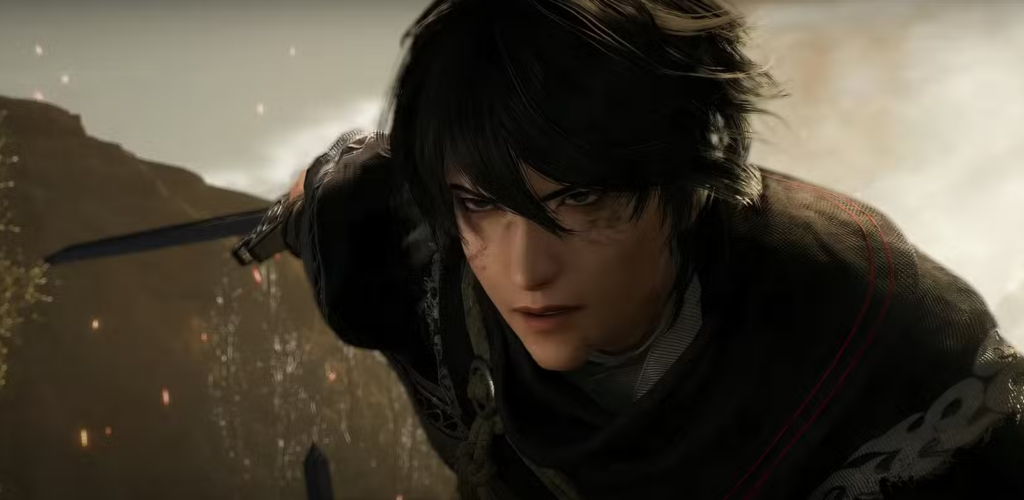
And this makes him perfect projection material. Suddenly, all these men desperately wanting to wed him for no apparent reason can be re-imagined on the fly. You can tease out whatever dynamic you’d like from a fertile, near-blank slate, primed with amnesia and a generically sappy origin story. His design, unchangeable, looks like every 13 year old girl’s attempt at drawing her perfect boyfriend after watching anime for the first time. Did you know that his Japanese VA is the same as Joker from Persona 5? They know exactly who he’s for and who’s going to eat it up.
This isn’t just me going out on a limb, either:
I don’t think the dev team did it because they were necessarily pushing for it, but rather they had the very dedicated fans in mind and thought ‘they’d like this, right?’ […] I think this is all stuff that’s been part of the game’s culture since [Dynasty Warriors 7], and there really are people who like that stuff.
Sho’s oversight here becomes even more telling. Left alone, developers knowing what sells, this is what Dynasty Warriors becomes. Origins is the ultimate manifestation of what its loudest fans want. Far from a sharp left-turn that apparently came out of nowhere — by the Western player’s metric at least — this is the logical conclusion of twenty years of flexing muscles that launched a thousand doujins. Narrative complexity and character depth aren’t needed; every bonding event is a prompt, not a story beat.
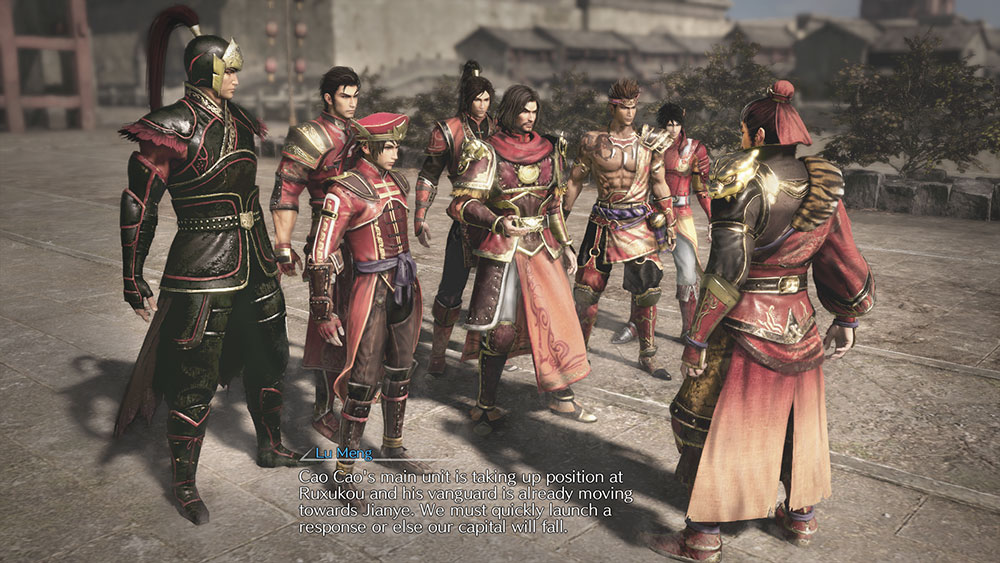
It also speaks to an interesting cultural shift, compared to how this might have been received only ten years ago. Far from a complete rejection on seeing these scenes, instead, the non-fujoshi response was laughter. Not even in a homophobic manner, but a genuine surprise of the absurdity that everyone is head-over-heels for Ziluan. And for those who thought the gay stuff was ruining the game? There’s pushback. Their counter-pushback asserting their right to be homophobic on the internet creates engagement. All press is good press.
Of course, it would be remiss at this point to not mention that every woman you meet treats Ziluan much the same as the men do. It’s arguably player-sexual above all else, but that doesn’t change the sheer volume of men-on-men action that suffocates it. Though, with the notable exception of Huang Yueying saying she wants to measure Ziluan to make a life-sized replica doll of him. She punches well above anyone else’s weight and I fully support that.
Origins as Product
I often find my adult tastes and disillusionment of the games industry clashing with my love of Dynasty Warriors. Granted, nowadays that love is more directed to the original source material of the novel itself, but more recently I’ve realized what that love actually is; it’s less about the novel, specifically, and instead how the story’s evolved over such an extensive length of time. Being both a historical period and a folklore tradition, the two are in constant conversation with each other. Folklore and adaptations are always evolving around societal changes into the future, and we are never going to stop rediscovering our own past.
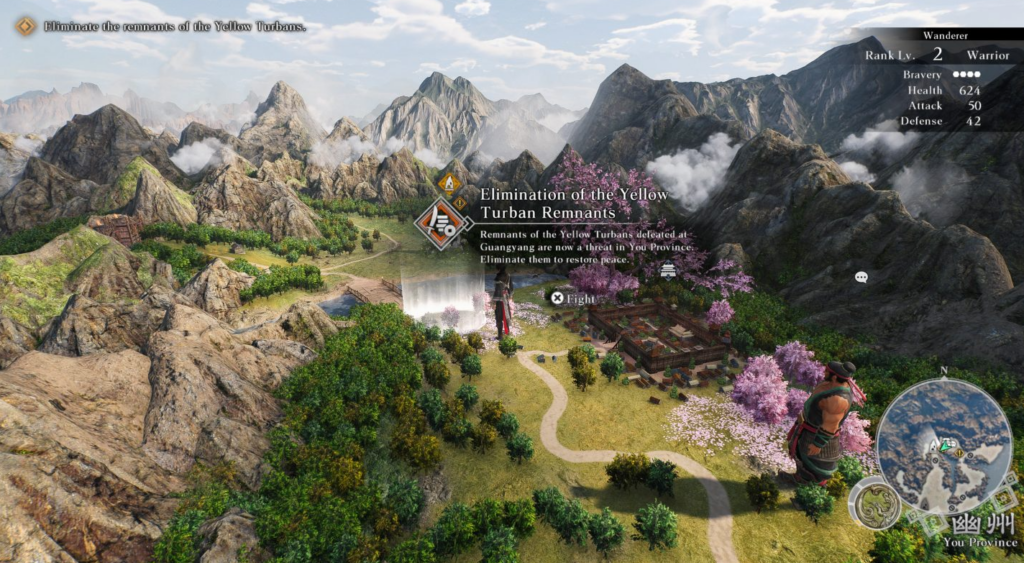
That conversation exists in Origins. In strikingly different means, given that this is a commercial product designed for commercial forecasts, rather than an artistic practice evolving around culture, but those conversations both penetrate through and are distorted under capitalism. We’re looking beyond artistic choices and into the paratextual reasoning they needed to be made in the first place, and how, even with a capitalistic mark, they still add to that canon of stories.
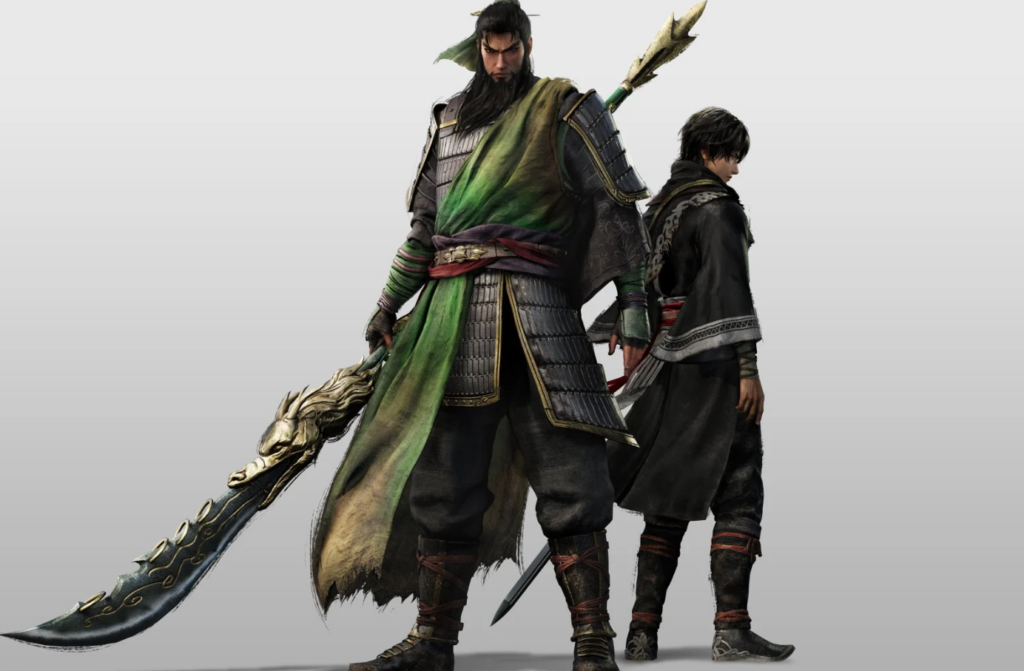
So this is where Origins lies. An artefact that captures this precise snapshot of conversation between previous Dynasty Warriors releases, trends of Romance of the Three Kingdoms adaptations, mainstream game design, obsession over magazine scores, and the hyper-obsessed corner of its own fandom. Intentional or not, it manages to be a perfect reboot of the franchise. Not perfect in an artistic sense, but one that appeases every group it responds to without significantly off-putting any of them. One half of that perfection comes from its action hitting a sweet spot appealing to long-time players and hooking in new ones, and the other half comes from being a deeply fan-indulgent gay pick-and-mix.
How much of Origins‘ success can be pinned purely on the homoeroticism? I’m not sure. But if the re-energising of its Pixiv tags and sustained social media reactions are anything to go by, there’s very little reason for them to dial it down in the sequel.
Special thanks to Cécile (haraiva.itch.io) for helping me translate the original interview.